Terrarium Smells Like Rotten Eggs? Fix Anaerobic Soil Fast
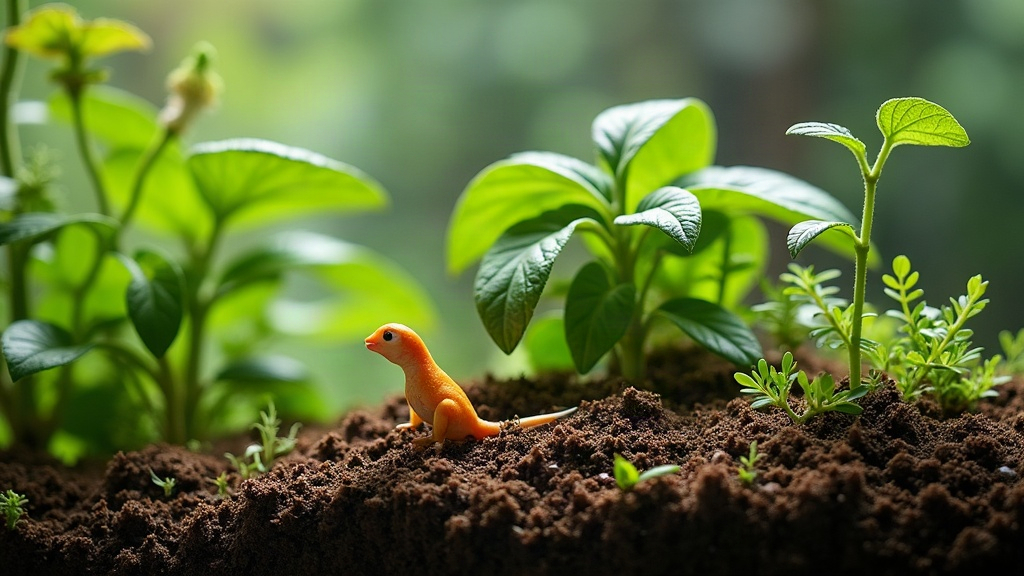
If your terrarium smells like rotten eggs, you’re dealing with anaerobic soil nine times out of ten. Basically, the substrate got waterlogged, oxygen ran out, and sulfate-reducing bacteria moved in to start pumping out hydrogen sulfide gas. Not fun, but fixable. Catch it early, fix the drainage or moisture issue underneath, and you can usually clear it up within a day or two.
Why the Rotten Egg Smell Happens
In a healthy terrarium, the soil stays porous enough for air to move through it freely. Aerobic bacteria do their job quietly, breaking down organic matter without much odor at all. Problems start when the soil stays soaked for too long. Once that happens, oxygen gets pushed out of the pore spaces, and anaerobic bacteria, specifically sulfate-reducing bacteria, take over. They feed on sulfur compounds and release hydrogen sulfide (H₂S) as a byproduct. That gas is exactly what gives you that unmistakable rotten egg smell.
A few things usually cause this:
- Overwatering or misting too often, without letting the substrate dry out a bit between sessions.
- Poor or missing drainage layer (no false bottom, no LECA, no gravel under the soil).
- Compacted substrate that blocks airflow. This happens a lot with mixes heavy on fine peat or coconut coir and light on chunky material like bark or perlite.
- No drainage holes in the enclosure, paired with a closed-lid, high-humidity setup.
- Excess organic matter, think uneaten food or dead plant material, decomposing faster than your cleanup crew can keep up with.
- Overcrowded enclosures, where there are too many plants crammed into a substrate that’s too shallow or doesn’t have enough microfauna to balance things out.
How to Fix It Fast
1. Identify the Wet Zone
Grab a chopstick (or just use a finger) and probe the substrate near where the smell seems strongest. Healthy soil should feel crumbly and just moist. If instead it’s soggy, dark, and slimy, congratulations, you’ve found the anaerobic pocket.
2. Aerate the Soil Immediately
Take a clean stick or terrarium tool and gently poke and loosen up that compacted, stinky soil. This lets oxygen back in and allows trapped gas to escape. Fair warning: do this near an open window or outdoors, because the smell gets noticeably worse the moment you disturb it.
3. Remove the Worst Material
If a patch is completely waterlogged and turned to sludge, don’t bother trying to dry it in place, just scoop it out. Swap it for fresh, well-draining substrate mixed with perlite, orchid bark, or some leaf litter.
4. Cut Back on Watering
Hold off on misting or watering for several days. Wait until the surface visibly dries before resuming, and go lighter than before. Most bioactive setups actually need way less water than beginners think. You’re aiming for “moist,” not “swamp.”
5. Improve Drainage Long-Term
If this keeps happening, the setup probably needs a real drainage layer:
- Add 1–2 inches of LECA, lava rock, or gravel at the bottom.
- Put a mesh or fabric barrier between the drainage layer and substrate so soil doesn’t wash down and clog it.
- Make sure there’s at least some ventilation, even in high-humidity builds. Fully sealed enclosures are an invitation for this exact problem.
6. Boost the Cleanup Crew
Springtails and isopods are your allies here. They break down waste aerobically and keep the substrate turning over instead of compacting. If your population crashed (which often happens alongside anaerobic conditions, not coincidentally), add a fresh culture once the smell has cleared.
When to Worry
A faint, short-lived sulfur whiff right after you disturb deep soil? Normal. It’ll fade within minutes. But if you’re getting a strong rotten egg smell every single time you open the lid, that’s not a one-off, that’s a structural problem that needs more than a quick stir.
Worth noting: hydrogen sulfide at high concentrations can stress or even kill plant roots and sensitive invertebrates. So if it keeps coming back, don’t shrug it off.
Preventing It From Returning
- Water on a schedule and check substrate moisture before adding more, rather than watering on autopilot.
- Keep a visible drainage layer and steer clear of substrate that’s too fine or prone to compacting.
- Keep a cleanup crew that’s sized appropriately for your enclosure.
- Don’t overfeed, and clear out uneaten food before it rots in the substrate.
- Aerate the deeper soil layers now and then, especially in planted vivariums with thick substrate.
Conclusion
A rotten egg smell is basically your terrarium telling you, in the most unpleasant way possible, that oxygen isn’t reaching the soil. Aerate the compacted spots, ease up on the moisture, fix the drainage, and keep a solid cleanup crew in there. Do that and most anaerobic soil issues clear up within a few days. Keep the better habits going afterward, and it shouldn’t come back at all.