Reviving a Browning Lemon Button Fern in High Humidity
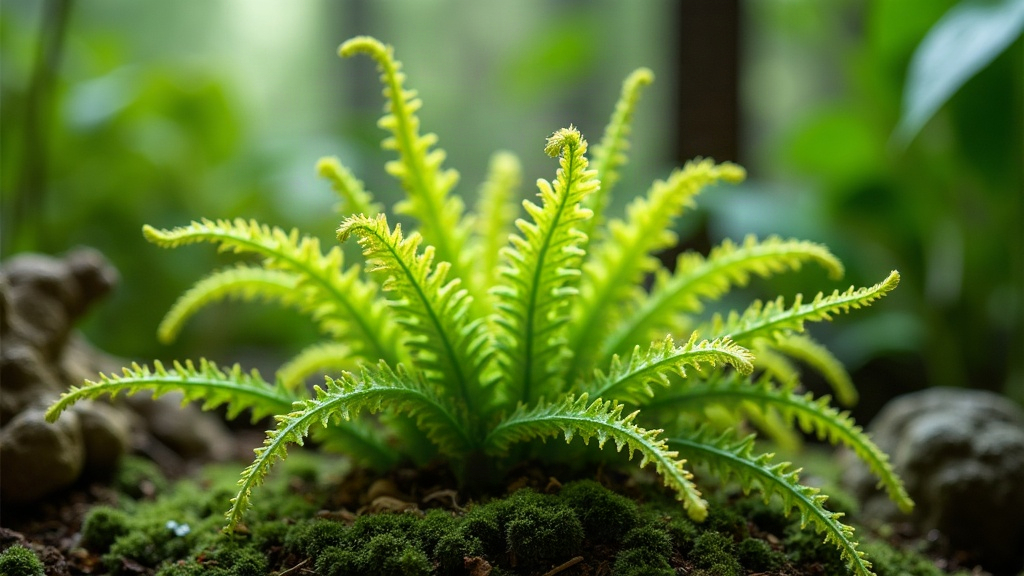
If your lemon button fern (Nephrolepis cordifolia ‘Duffii’) is browning inside a closed terrarium or humidity dome, don’t reach for the mister. That’s almost never the answer. The real culprits are usually stagnant air, waterlogged roots, fungal rot, or too much light bouncing around inside a sealed glass box. Fixing it means improving airflow, correcting soil moisture, and rethinking your light and container setup, not just dumping in more water.
Why Lemon Button Ferns Brown in Closed Environments
Lemon button ferns genuinely love humidity. That’s precisely why people stick them into terrariums, cloches, or old glass jars in the first place. But seal a plant inside glass and you create a whole new set of problems:
- Stagnant air promotes fungal and bacterial growth. A closed terrarium with zero ventilation traps moisture right against the fronds. That dampness invites rot and leaf-spot fungi, and before long the tips and edges turn brown or black.
- Constant wetness suffocates roots. Glass containers without drainage holes keep the soil saturated for days on end. Roots sitting in standing water will rot eventually, and browning leaves are often just the visible tip of what’s already happening underground.
- Condensation burns or molds fronds. When water droplets land on those thin, delicate fronds and just sit there because the air isn’t moving, you get localized rot spots. Left alone, they spread fast.
- Too much direct light through glass. Glass acts like a magnifying lens for heat and light. Even what looks like gentle indirect sun can scorch fern tissue once it’s been intensified by a glass dome.
Step-by-Step Diagnosis
1. Check the Soil, Not Just the Air
Grab a finger, or better yet a wooden skewer, and probe about 2 inches into the soil.
- Soggy and smelling sour or musty? Root rot is likely, and honestly, it’s the single most common cause of browning in closed terrariums.
- Bone dry? That’s unusual in a sealed setup, but it happens if the container has gaps or was left open for an extended stretch.
2. Inspect the Fronds Closely
- Crispy, brown tips with otherwise green fronds: often just humidity escaping through a cracked lid, or mineral buildup if you’ve been watering with hard tap water.
- Mushy, dark brown or black patches: fungal rot, caused by trapped moisture and stale air.
- Uniform yellowing before the browning sets in: overwatering, or a nutrient deficit (terrarium soil gets leached of nutrients quickly, and nobody’s fertilizing it).
- Browning concentrated on the side closest to the light: that’s scorch, plain and simple, from light magnified through glass.
3. Smell the Container
Pop the lid and take a sniff. A musty, sour, swampy odor is a dead giveaway for anaerobic soil conditions and root rot, not a sign that your fern needs more humidity.
How to Revive the Fern
-
Trim all damaged fronds. Grab clean scissors and cut away every brown or mushy frond down to healthy green tissue. This stops the rot from creeping further and lets the plant pour its energy into fresh growth instead of trying to save dead tissue.
-
Improve drainage immediately. No drainage layer in the terrarium? Lift the fern out carefully, check the roots (snip off anything black and mushy), then repot it with a base layer of gravel or leca, a thin layer of horticultural charcoal on top of that, and finally fresh, well-draining soil (a peat-free mix with perlite does the job nicely).
-
Introduce airflow. Crack the lid open for a few hours each day, or swap in a terrarium that has small built-in vents. Even humidity-loving ferns need periodic air exchange. Without it, fungal buildup is just a matter of time.
-
Reduce watering frequency. Closed terrariums more or less water themselves through condensation cycling. Only add water when the soil surface actually feels dry, which in practice might mean once every 2 to 3 weeks, not weekly.
-
Move it out of direct light. Bright, indirect light only. Direct sun hitting glass can push internal temperatures way past what this fern can tolerate, sometimes within an hour on a sunny windowsill.
-
Treat visible fungus. If you spot active mold or fungal spotting, dab the area with a diluted cinnamon-water solution (cinnamon has mild antifungal properties) or use a light, plant-safe fungicide. Then bump up ventilation so it doesn’t come right back.
Preventing Future Browning
- If condensation is pooling heavily on the glass lid, wipe it off daily.
- Fertilize lightly every 4 to 6 weeks with a diluted liquid fertilizer. Closed systems don’t get any natural nutrient replenishment, so your fern depends entirely on you here.
- Repot every 12 to 18 months to refresh the soil and prevent it from compacting into a dense, airless brick.
- When buying a new terrarium, look for one with at least partial ventilation rather than a fully airtight seal. Fully sealed looks nice on a shelf, but it’s working against you.
Final Thoughts
A browning lemon button fern inside a closed, humid enclosure is almost always dealing with poor airflow and soggy roots, not a lack of moisture. Trim away the damage, fix the drainage, ease up on watering, and let fresh air in regularly. Do that and you’ll typically see new fiddleheads unfurling within a few weeks. Get the humidity-to-ventilation balance right, and this fern can actually be one of the more rewarding plants to grow in a terrarium.