Fluffy White Mold on Spider Wood: Terrarium Fix Guide
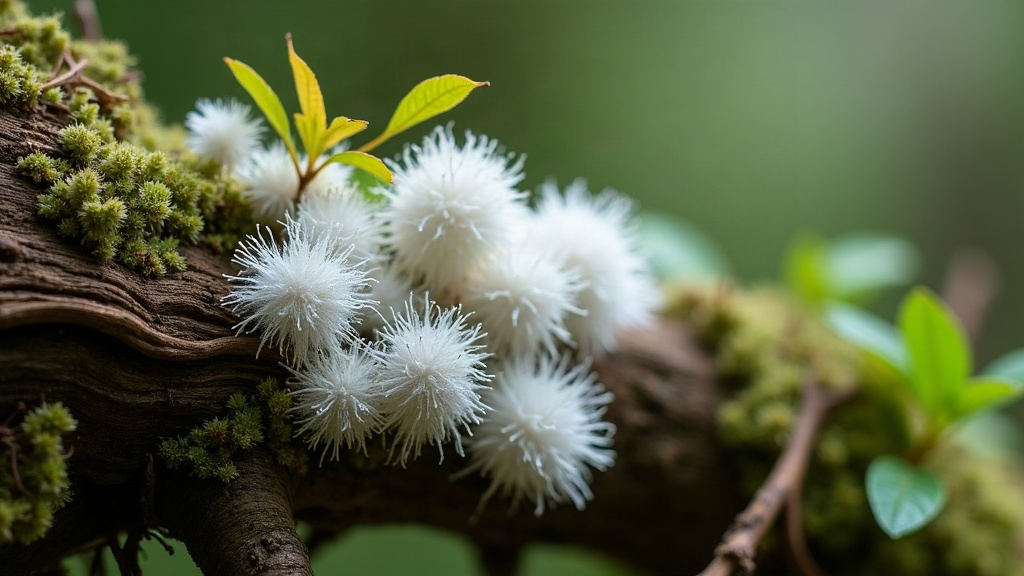
Why Is White Mold Growing on My Spider Wood?
Spider wood (you’ll also see it sold as ghostwood, azalea root, or spooky wood) is porous, untreated timber that comes loaded with dormant fungal spores right out of the bag. Drop it into a warm, humid terrarium and you’ve basically built a five-star hotel for those spores to wake up in:
- High humidity. Most bioactive setups sit at 60-90% humidity, which is exactly the range fungi love.
- Stagnant airflow. Brand-new enclosures haven’t developed the bacterial and microfaunal population yet that would otherwise keep organic matter in check.
- Untreated wood. Unlike kiln-dried or sealed decor pieces, raw spider wood still holds onto sugars and other organic compounds that mold happily munches on.
- New substrate. Bioactive soil mixes are biologically immature at first. It typically takes 4-8 weeks for a real microbial ecosystem to settle in.
That fuzzy white fluff you’re seeing is almost always a saprophytic fungus, meaning it decomposes wood. It’s not the kind of pathogenic mold that goes after reptiles, amphibians, or plants directly.
Is It Dangerous to My Animal or Plants?
Nine times out of ten, no. Saprophytic mold:
- Doesn’t infect healthy plants, reptiles, or invertebrates.
- Is just a normal stage of “cycling” in a fresh bioactive tank.
- Tends to fade on its own once springtails, isopods, or beneficial bacteria get established.
That said, keep an eye out for these warning signs:
- Discoloration shifting to black, green, or slimy — that could be a different, more aggressive mold species.
- A sour, foul smell instead of the usual mild, earthy odor.
- Your animal steering clear of the spot or showing signs of respiratory stress (uncommon, but worth watching for in amphibians especially).
Step-by-Step: How to Deal With White Mold on Spider Wood
1. Don’t Remove the Wood Immediately
Yanking the wood out and drying it completely might feel like the obvious fix, but it can wreck the cycling process you actually want happening. And the mold will just come right back the moment you reintroduce humidity anyway.
2. Increase Airflow
Prop the lid open a crack, run a small fan for an hour a day, or improve cross-ventilation however you can. Mold loves still, saturated air. Even a little movement makes a noticeable difference in how fast it spreads.
3. Introduce a Cleanup Crew
If you haven’t already added springtails (Collembola) and isopods, do it now. Honestly, this is the single best long-term fix:
- Springtails graze on mold and fungal spores as part of their normal diet.
- Isopods chew through decaying organic matter, fungal mats included.
- Give a healthy colony 1-2 weeks and most of that white bloom is history.
4. Manually Wipe It Down
For any patches you can see, grab a soft brush or a paper towel dampened with plain water only (skip the soap, skip any chemical cleaner) and wipe it away by hand. Do this every few days until it stops coming back.
5. Reduce Overwatering
Ease off on misting for a while. Standing moisture sitting on wood surfaces is basically an invitation for mold, so let the humidity dip and the surface dry out a bit between mistings.
6. Boil or Bake New Wood Before Adding It
Next time you buy spider wood, pre-treat it first:
- Boil it for 30-45 minutes, or
- Bake it at 200°F (93°C) for 1-2 hours
That knocks out most surface spores before the wood ever touches your enclosure. It’s not a guarantee against mold once humidity comes back, but it definitely helps.
When Should You Worry?
Reach out to a vet or a more experienced keeper if:
- The mold sticks around past 6-8 weeks even after you’ve added a cleanup crew and improved airflow.
- Your reptile or amphibian seems lethargic, has irritated skin, or stops eating.
- You notice mold creeping onto live plants and rotting the roots.
Conclusion
Fluffy white mold on spider wood is about as common as growing pains get in a new terrarium. It’s a sign your ecosystem is still finding its footing, not a sign you did something wrong. Boost the airflow, get springtails and isopods working for you, wipe down the visible patches by hand, and give the whole setup 4-8 weeks to find its balance. Almost every time, the mold clears up on its own once the terrarium’s microbial community catches up to speed.