Too Many Springtails? How to Manage Isopod & Springtail Overpopulation
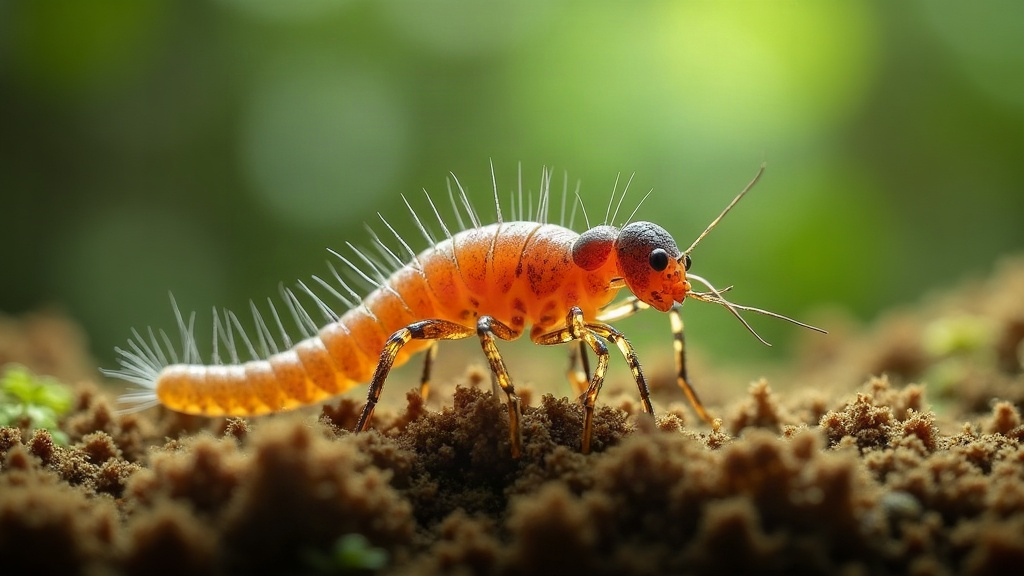
Is a Springtail Population Boom Actually a Problem?
Short answer: rarely. Springtails (Collembola) and isopods are detritivores, meaning they feed on mold, fungus, decaying plant matter, and leftover waste. So when you suddenly notice hundreds of them crawling across the glass, it usually means:
- There’s plenty of food around, often because you’ve been a bit generous feeding your reptile, amphibian, or invertebrate
- Humidity and substrate conditions are hitting that sweet spot for breeding
- The colony is simply doing its job: processing waste before it piles up
A genuine overpopulation problem only kicks in when the colony outpaces its food supply or starts interfering with the animal living in the enclosure. Short of that, what looks like chaos is really just a healthy ecosystem at work.
Warning Signs of a True Overpopulation Issue
Forget counting individuals. Instead, look for these red flags:
- Springtails swarming on your pet’s food or water dish. This usually means food is scarce everywhere else in the tank.
- Isopods climbing glass or walls excessively. Often tied to low humidity, overcrowding, or ammonia buildup from too much waste sitting around.
- A sudden die-off smell. Big colonies can crash hard after a boom, and decomposing bodies leave behind a sulfur-like stink you won’t mistake for anything else.
- Mold outbreaks despite an active cleanup crew. That’s a sign the colony simply can’t keep up with the organic waste being produced.
- Pale, sluggish isopods, or visibly reduced activity. This points to resource competition, basically too many mouths and not enough food.
If none of these apply and you’re just seeing a springtail “explosion” on the glass after misting, relax. That’s completely normal, and honestly, it’s a good sign.
Why Overpopulation Happens
1. Overfeeding the Cleanup Crew
Tossing in extra fish flakes, yeast, or vegetable scraps beyond what’s actually needed sends breeding into overdrive almost immediately.
2. Overfeeding the Main Inhabitant
Leftover feeder insects or uneaten food become a bonus food source for isopods and springtails, and they’ll multiply fast to take advantage of it.
3. High Humidity, High Temperature
Both springtails and tropical isopod species, think Porcellionides pruinosus or Trichorhina tomentosa, reproduce quickest in warm, humid microclimates. Unfortunately, that’s exactly the environment most bioactive setups are designed to create.
4. No Natural Predators
Without any predation pressure, a colony just keeps expanding until it bumps up against the limits of available food and space. There’s nothing stopping it otherwise.
How to Manage Isopod and Springtail Overpopulation
Reduce Supplemental Feeding
Pull back on fish flakes, spirulina, or powdered feeds for a week or two. Let the colony lean on leaf litter and natural detritus instead. You’ll see numbers level off fairly quickly.
Improve Ventilation and Reduce Humidity Slightly
For larger terrariums (not bioactive frog enclosures, which need steady humidity no matter what), cutting back misting frequency a notch can slow reproduction without disrupting the ecosystem.
Add More Leaf Litter and Microfauna Habitat
Here’s a trick that sounds backwards: adding more cover, like leaf litter, cork bark, or sphagnum moss, spreads the population out and cuts down on visible swarming. Numbers might not change much, but you’ll barely notice them.
Introduce Predatory Microfauna (Advanced)
Predatory mites or rove beetles can keep springtail numbers in check naturally in larger vivariums. Most home setups don’t need this step, but it’s an option if you want a more hands-off long-term solution.
Physical Removal (Short-Term Fix)
Need a quick fix? Grab a turkey baster or a small vacuum and remove visible clusters after misting. Springtails tend to gather on damp surfaces and around water features, so they’re easy targets.
Let Nature Self-Regulate
Most enclosed bioactive systems go through natural boom-and-bust cycles as food availability shifts. Unless you’re seeing one of the warning signs mentioned above, the best move is often to do nothing at all.
When to Worry vs. When to Relax
| Situation | Action Needed |
|---|---|
| Springtails on glass after misting | None, normal behavior |
| Isopods swarming food dish | Reduce feeding, add food elsewhere |
| Mold despite active cleanup crew | Increase airflow, reduce moisture |
| Sulfur smell / die-off | Partial substrate refresh, improve ventilation |
| Reduced, lethargic isopods | Check for overcrowding, add space/litter |
Conclusion
Too many springtails or isopods almost never signals a crisis. In most cases, it just means your cleanup crew is doing exactly what it’s supposed to do. The goal isn’t to wipe out a booming population, it’s to keep it balanced against the food, humidity, and space available. Pay attention to the real warning signs (swarming near food dishes, persistent mold, that unmistakable die-off smell) rather than panicking over sheer numbers. Make a few small tweaks to feeding and humidity, and your isopod and springtail colony will settle into a healthy, self-sustaining rhythm that keeps your enclosure clean for years.