From Mossariums to Your First Carnivorous Pitcher Plant Terrarium
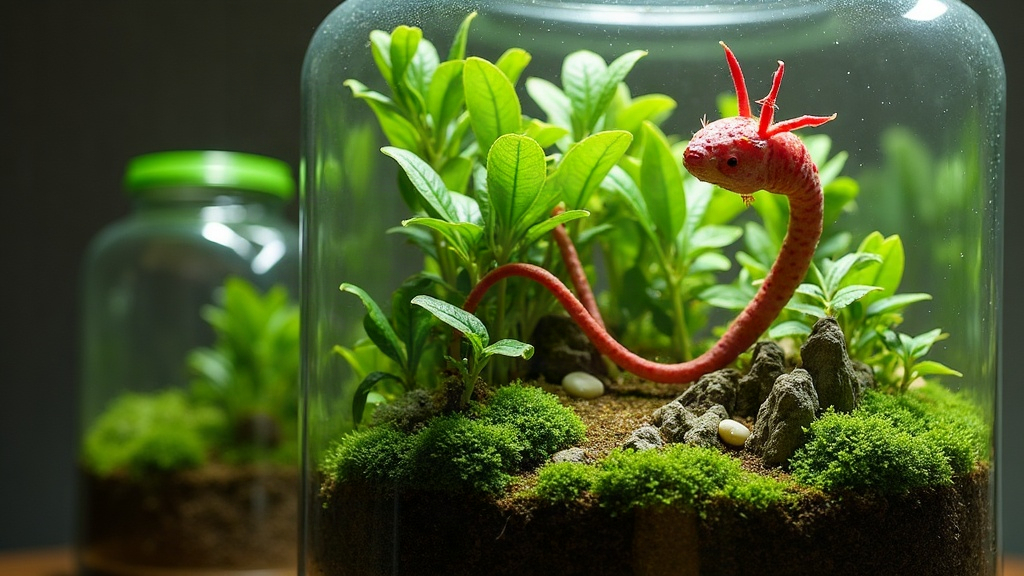
If you’ve already kept a mossarium alive (one of those sealed jars of moss that basically runs itself) you’re closer than you think to growing your first carnivorous pitcher plant. The leap isn’t as dramatic as people assume. You’re really just trading “seal it and walk away” humidity for a setup that needs a bit more airflow, a bit more attention, and a species that actually wants to catch bugs. Here’s what changes, what carries over, and where most beginners trip up.
Why Mossariums Are the Perfect Starting Point
A mossarium quietly teaches you three things that carnivorous terrariums demand:
- Humidity management — how condensation builds and cycles inside closed glass
- Light reading — telling “bright indirect” apart from “too dim” or “full-on scorching sun”
- Patience — moss grows at a crawl, and so do pitcher plants. Poke at them too much, feed too often, or panic-water, and you’ll stall growth fast
The real difference? Moss shrugs off neglect. Pitcher plants are living predators with opinions about airflow, substrate acidity, and when (or whether) to eat. Consider the mossarium your training wheels. Now it’s time to build something that actually digests insects.
Step 1: Choose the Right Pitcher Plant Species
Not every carnivorous plant is terrarium material. Two genera come up constantly, but only one really fits a glass box on your shelf:
- Nepenthes (tropical pitcher plants): Thrive at 70%+ humidity and 65–85°F, which happens to be exactly what a closed terrarium produces. Hybrids like Nepenthes × ventrata are tough, cheap, and sold at most carnivorous plant nurseries online.
- Sarracenia (North American pitcher plants): Needs a genuine cold winter dormancy and far more light than any enclosed terrarium can deliver. Keep one in a closed glass box and it’ll survive for a while, pale and sulking, then quietly fail.
Beginner recommendation: Go with a Nepenthes hybrid. It actually wants the humid, lower-light world of a terrarium. Sarracenia wants full sun outdoors, or a serious grow light rig, not a jar on your desk.
Step 2: Upgrade Your Container
That sealed mossarium jar has to go. Pitcher plants need a different kind of home:
- Airflow: Seal a Nepenthes up like moss and you’ll get fungal rot within weeks. Pick a terrarium with a vented lid, a mesh panel, or just crack the top daily.
- Height: Pitcher vines climb and trail, so give them room. 12 to 16 inches tall is a reasonable minimum.
- Size: A 10 to 20 gallon glass terrarium, or a tall cloche with a removable top, suits one juvenile plant comfortably.
Step 3: Rebuild the Substrate From Scratch
This is where most beginners get tripped up, because it goes against everything they learned with moss. A mossarium runs fine on regular potting soil or damp moss over a drainage layer. Carnivorous plants come from nutrient-poor, acidic bogs, and ordinary potting soil will kill them within a month or two.
Build your mix from:
- Long-fiber sphagnum moss
- Perlite, for drainage and airflow around the roots
- Optionally, a thin layer of LECA at the base to keep water moving
Skip garden soil, compost, and anything labeled “fertilizer-enriched.” The minerals in those mixes will burn delicate carnivorous roots fast.
Step 4: Dial In Light and Humidity
| Factor | Mossarium | Pitcher Plant Terrarium |
|---|---|---|
| Light | Indirect, low-medium | Bright indirect or grow light (6-8 hrs) |
| Humidity | 80-100%, sealed | 60-80%, with airflow |
| Watering | Occasional misting | Consistent moisture, distilled/rainwater only |
Tap water trips up almost every beginner at some point. Chlorine and dissolved minerals accumulate in the substrate over weeks, and roots start failing before you even notice anything’s wrong. Stick to distilled water, reverse osmosis, or collected rainwater. No exceptions.
Step 5: Feeding — The Fun Part
Here’s where things get genuinely different from moss care: this terrarium hunts. A mature pitcher near a kitchen window or compost bin will often catch fungus gnats and fruit flies on its own, no help needed. If your plant lives somewhere with zero insect traffic:
- Drop in one tiny freeze-dried bloodworm or a single pinhead cricket every 2 to 4 weeks, nothing more
- Resist the urge to overfeed. Rotting prey inside a pitcher can kill the whole thing
- Leave young, unopened pitchers alone entirely until they mature
Common Beginner Mistakes
- Sealing it like a mossarium: invites mold and bacterial rot across the pitchers within days
- Using tap water: causes a slow decline that’s genuinely confusing to diagnose
- Picking Sarracenia for a dim terrarium: the plant limps along but never forms a healthy pitcher
- Overfeeding: a single rotting insect can trigger die-back in an otherwise healthy pitcher
Conclusion
Going from mossarium to carnivorous pitcher plant terrarium is the natural next move once you want more of a challenge. The core instincts (reading humidity, judging light, staying patient) carry straight over. What changes is execution: pick a humidity-loving species like Nepenthes, build a vented container with real bog substrate, and stay disciplined about distilled water and light feeding. Nail those three things and you end up with something a lot more alive, and a lot more interesting to check on daily, than a jar of moss ever was.