Managing Heat Spikes and Humidity in Terrariums in Summer
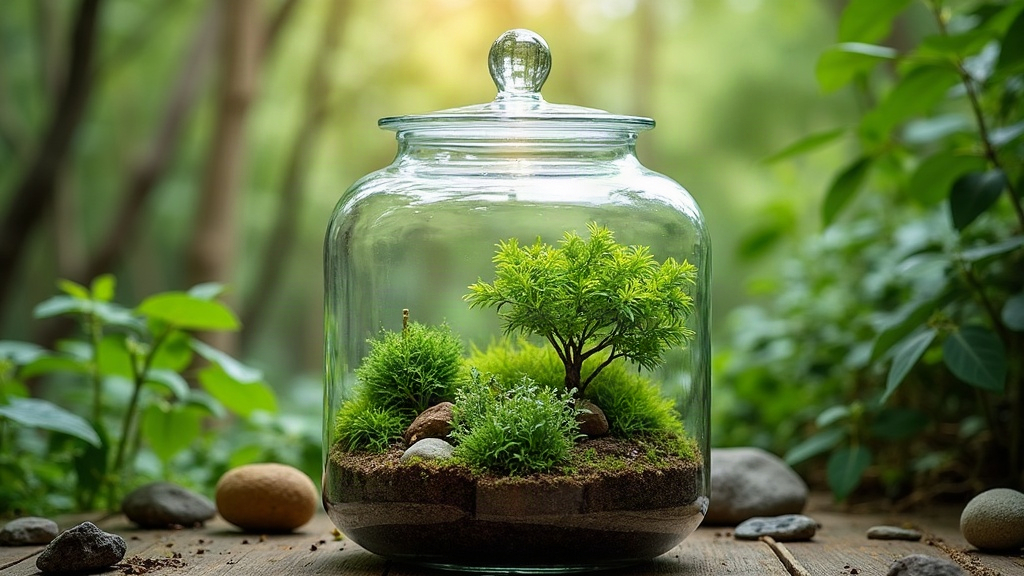
Managing Heat Spikes and Humidity in Glass Terrariums During Summer
Summer heatwaves can turn a thriving glass terrarium into a miniature greenhouse disaster within hours. One day your ferns look lush, the next the glass is fogged solid and something smells off. Managing heat spikes and excessive humidity in glass terrariums during a heatwave comes down to adjusting placement, airflow, watering habits, and lighting, all aimed at preventing condensation buildup, fungal growth, and plant stress. Below are practical, tested strategies to keep your enclosed ecosystem balanced even when it’s sweltering outside.
Why Glass Terrariums Are Vulnerable in Summer
Glass terrariums depend on a stable microclimate. Sealed or semi-sealed enclosures trap moisture and heat, which is normally exactly what you want. During a heatwave, though, that same design flips from asset to liability.
- Greenhouse effect: direct sunlight through glass can push internal temperatures 15-20°F (8-11°C) above room temperature, sometimes more. Leave a jar on a sunny sill for an afternoon and you’ll find the inside practically steaming.
- Trapped humidity: heat speeds up evaporation, and with nowhere for that moisture to escape, you end up with fogged glass and soil that stays waterlogged for days.
- Plant stress signals: wilting, yellowing leaves, mold spots, or a sour smell are the terrarium’s way of telling you it’s overheating. Don’t ignore them.
Signs Your Terrarium Is Overheating
Before you start rearranging things, learn to spot the warning signs:
- Condensation that won’t clear even after several hours
- Soil that feels soggy or gives off a musty odor
- Mold or algae creeping across the glass or soil surface
- Leaves that look wilted or oddly translucent, almost like they’ve been cooked
- Plants declining fast even though your watering routine hasn’t changed
Step-by-Step: Cooling Down Your Terrarium
1. Relocate Away From Direct Sunlight
Pull your terrarium away from south- or west-facing windows for the hottest stretch of summer. Most terrarium plants, ferns, mosses, fittonias, do perfectly well in bright indirect light. A spot roughly 3-6 feet back from a window is usually the sweet spot.
2. Increase Ventilation Temporarily
If your container has a removable lid or vents, use them:
- Crack the lid open for a few hours during the hottest part of the day.
- Swap to a terrarium with built-in vents, or a mesh-topped container, for the duration of the heatwave.
- For fully sealed jars showing mold or heavy moisture, take the lid off entirely for 24-48 hours.
3. Reduce Watering Frequency
It feels counterintuitive, but heat doesn’t mean your terrarium needs more water. Often it needs less, since trapped humidity is already keeping the soil moist longer than usual. Do a quick finger test or poke a wooden skewer into the soil before adding anything; only water if the top inch is actually dry.
4. Use a Fan for Air Circulation
Set a small desk fan nearby, not aimed straight at the terrarium, and run it for 15-20 minutes a day. This helps equalize temperature and break up stagnant, humid air without drying the whole ecosystem out.
5. Relocate to a Cooler Room
No AC? Move the terrarium to whatever room stays coolest, often a north-facing room, a basement, or a hallway away from appliances that throw off heat.
Managing Excessive Humidity Specifically
Sometimes humidity is the problem even when heat isn’t the main culprit. A few fixes:
- Add a layer of activated charcoal under the soil to soak up excess moisture and odor.
- Pull out dead or decaying plant matter right away. It’s basically fuel for mold once things get warm and damp.
- Wipe condensation off the glass with a clean cloth once or twice a day during a heatwave.
- Skip misting for now; let natural evaporation handle humidity instead of adding more.
Choosing Heat-Tolerant Terrarium Plants
Live somewhere heatwaves hit regularly? Build your terrarium around plants that shrug off heat and humidity swings better than others:
- Pothos (Epipremnum aureum)
- Peperomia varieties
- Nerve plant (Fittonia), which likes consistent moisture but handles short dry spells better than moss does
- Snake plant (open terrariums only, it hates sitting in excess humidity)
Steer clear of delicate mosses and liverworts in open containers during extreme heat. They dry out or scorch almost immediately.
Long-Term Prevention Tips
- Drop a cheap digital hygrometer/thermometer combo inside the terrarium so you can actually see what’s happening instead of guessing.
- Keep terrariums off windowsills entirely during the hottest months, sheer curtains or not, they don’t block nearly enough heat.
- If you live somewhere with brutal summers, build toward a vented design instead of a fully sealed jar from the start.
Conclusion
A heatwave doesn’t give you much warning, so quick adjustments matter. Move the terrarium out of direct sun, open things up for airflow, water less than instinct tells you to, and keep an eye on humidity. Do that and you’ll avoid mold, overheating, and losing plants you’ve spent months growing. Honestly, a few minutes of attention each day during a heatwave beats weeks of nursing a terrarium back to health, and it keeps your little ecosystem thriving right through the hot season.