Preventing Condensation and Cold Shock in Winter Terrariums
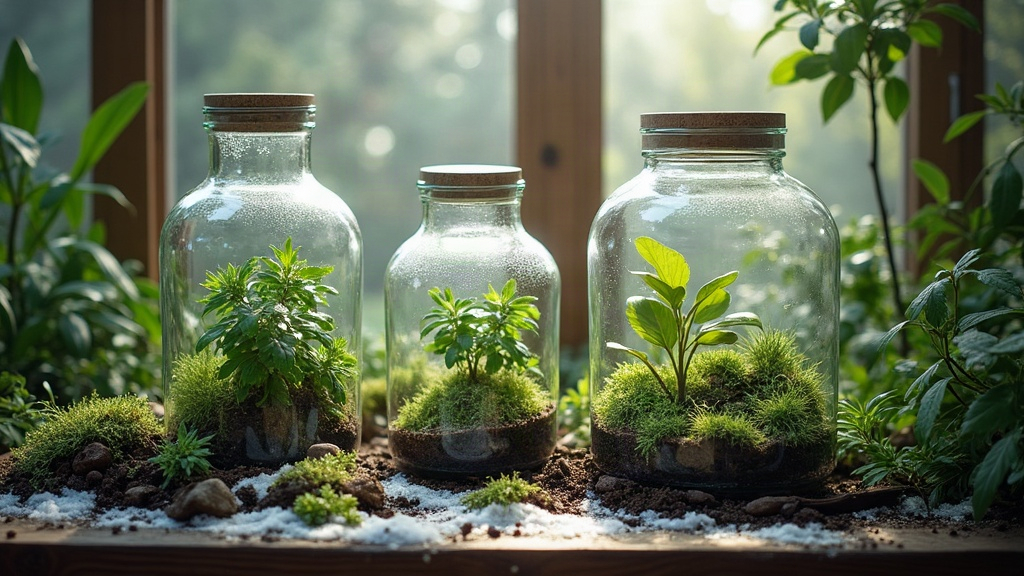
Winter is rough on closed terrariums. Indoor heating dries out the air in the room while the sealed ecosystem inside the jar stays just as humid as ever, and that mismatch gets worse near cold windows, where sudden temperature swings can genuinely shock sensitive plants. The fix isn’t complicated: stabilize the temperature, manage ventilation, and get the terrarium away from cold glass and drafty spots.
Why Winter Causes So Much Condensation
A closed terrarium basically runs its own tiny water cycle. Plants transpire, moisture lands on the glass, drips back down, and the soil soaks it up again. Simple, self-contained, usually pretty forgiving. Winter throws two wrenches into that cycle:
- Temperature swings between day and night trigger fast condensation buildup, especially if the jar sits anywhere near a cold windowsill.
- Central heating sucks moisture out of the room air, which widens the gap between inside-the-jar and outside-the-jar conditions and speeds up fogging.
A bit of morning mist on the glass? Totally normal, nothing to worry about. The real issue is condensation that’s heavy and constant, the kind that blocks light for hours and tells you the terrarium has gotten too wet, too cold, or both.
Signs of Cold Shock
Cold shock shows up when a terrarium sits against an icy window pane or sits too close to a drafty door. The sudden drop in temperature stresses out tropical plants like fittonia, pilea, or moss almost immediately. Look out for:
- Leaves going translucent or mushy overnight
- Sudden wilting even though moisture levels look fine
- Black or blackened edges on the leaves
- Growth that was humming along, then just… stops
Here’s the key difference from fungal rot: cold shock hits fast. You’ll often see damage within 24 hours of a hard temperature drop, not days later.
Step-by-Step Prevention
1. Relocate Away From Cold Glass
Pull terrariums back at least 30-45 cm (12-18 inches) from single-pane windows. On a cold winter night, glass can run 5-10°C colder than the room air around it, and that chill transfers straight into the container sitting against it.
2. Keep It on an Interior Wall or Shelf
Interior walls hold their temperature far more steadily than exterior ones. A bookshelf or sideboard, tucked away from doors and vents, beats a windowsill every time once the weather turns cold.
3. Crack the Lid for Airflow
If the glass is completely fogged over for more than a couple hours a day, prop the lid open slightly for 1-2 hours. This lets trapped humidity escape and brings in some fresh air without fully breaking the closed-ecosystem setup.
4. Avoid Heating Vents and Radiators
A blast of hot, dry air hitting the terrarium creates a huge gap between the inside and outside temperature. That makes condensation worse and can even overheat one side of the glass while the other stays cold, which is its own kind of stress on the plants.
5. Use a Thermometer
A cheap stick-on or wireless thermometer right at the terrarium’s location tells you what’s actually happening there, not just in the room generally. Aim to keep things in the 18-24°C (65-75°F) range, with as little day-to-night swing as you can manage.
6. Water Less in Winter
Lower light and cooler temperatures slow down transpiration, so terrariums simply need less water this time of year. Keep watering at the summer rate and you’ll end up with a swampy, over-condensed little ecosystem that practically invites mold.
Quick Troubleshooting Table
| Symptom | Likely Cause | Fix |
|---|---|---|
| Heavy fog all day | Too wet / too cold | Crack lid, reduce watering |
| Droplets only at night | Normal day-night cycle | No action needed |
| Mushy leaves after cold snap | Cold shock | Relocate, trim damage |
| Mold spots | Excess moisture + stagnant air | Increase airflow, remove mold with tweezers |
When to Fully Open the Terrarium
If condensation and mold keep coming back no matter what you adjust, take the lid off entirely for 24-48 hours and let the excess moisture escape, then reseal it. Think of this as a reset, a mini dry spell that mimics what would happen in nature. It’s particularly useful for newly planted terrariums that haven’t found their balance yet.
Conclusion
Winter condensation and cold shock aren’t proof that your terrarium is failing. They’re just signals that the micro-climate inside the jar is reacting to whatever’s happening in your home more broadly. Move it away from cold glass, vent out the excess humidity, and pay closer attention to temperature stability instead of just chasing moisture levels, and a closed terrarium can keep thriving right through the coldest months of the year.