Micro-Pruning Creeping Fig: The Fast-Growth Control Guide
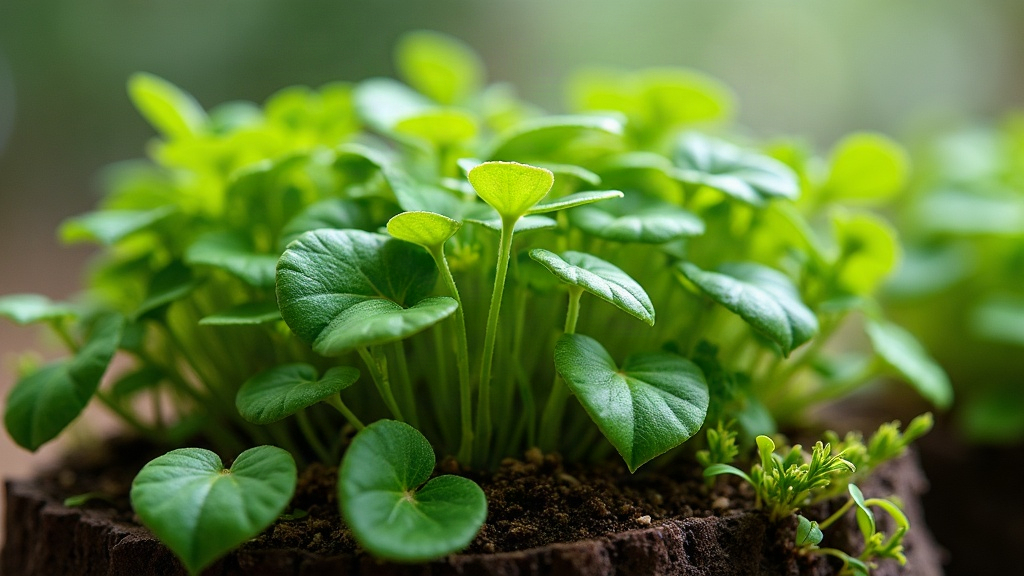
Creeping fig (Ficus pumila) earns its fan club for a reason: give it a wall, a trellis, or a topiary frame, and it’ll cover the thing in lush green in a single season. The problem is that the same vigor that makes it so satisfying to grow also makes it one of the quickest plants to turn into a tangled mess. The fix isn’t an occasional hard chop. It’s micro-pruning: small, frequent, targeted trims that keep the growth dense and shapely without shocking the plant or leaving it full of bare, ugly patches.
Why Micro-Pruning Beats Big Cutbacks
Creeping fig grows in flushes. Under good conditions, a single runner can stretch several inches in a week, which sounds great until you realize what happens if you ignore it. Wait too long between prunings and you’ll end up hacking back thick, woody growth. That causes a few problems:
- You expose leafless, woody stems that take ages to fill back in
- The plant gets stressed, and new leaf production slows down
- Coverage on walls or topiaries turns patchy and uneven
Micro-pruning works differently. Snip just the tips of the runners every 5 to 10 days while the plant is actively growing, and you force it to branch outward instead of shooting forward. The result: denser, more even coverage, and none of the drama of a big cutback.
When to Micro-Prune
- Active growing season (spring to early fall): Check weekly. This is when runners grow fastest, sometimes shockingly so.
- Winter/dormant period: Drop to monthly checks. Growth slows way down, and a heavy prune now can leave gaps that won’t close until spring rolls back around.
- After a flush of new growth: Spot 3 to 5 new leaves on a stem tip? That’s your cue to pinch it back.
The Micro-Pruning Technique Step by Step
- Inspect the growth habit. Look for runners pushing past your desired shape. These “escape shoots” tend to outpace everything else because they’re reaching for new surfaces to grab onto.
- Pinch, don’t shear whole sections. Grab sharp micro-snips (or just your fingernails) and remove the last 1 to 2 inches of each runner, cutting just above a leaf node.
- Target the leaders first. The longest, most vigorous shoots get cut first, always. They’re hogging energy that the rest of the plant needs.
- Thin crowded clusters. On topiary frames especially, growth likes to layer on top of itself. Pull a few inner stems out entirely so light can reach the lower leaves, otherwise you’re inviting rot.
- Clean up loose tendrils. Creeping fig clings on with tiny aerial rootlets. Catch any stems heading for window frames, gutters, or siding early and redirect or snip them, before they bond and become a real pain to remove.
Tools That Make a Difference
- Micro-tip snips or bonsai shears: Give you precise cuts without crushing the stem.
- Soft plant ties: Handy for training a runner into a gap instead of just cutting it off.
- Rubbing alcohol wipe: Wipe the blades between plants. If you’ve got more than one ficus on the property, this one step keeps disease from hitching a ride between them.
Common Mistakes to Avoid
- Waiting too long between trims. A runner you let grow a foot needs a much harder cut than one you caught at 2 inches. Catch it early.
- Pruning on a calendar instead of following the growth. Cut where things are actually happening, not uniformly across the whole plant.
- Ignoring the base. Thick growth up top often hides a bare, woody base underneath. Thin the top now and then so the plant gets pushed to fill in lower down too.
- Pruning during stress. Skip the heavy micro-pruning right after a transplant, during a heat wave, or if the plant is clearly underwatered. Let it recover first.
Shaping Topiaries and Wall Coverage with Micro-Pruning
For topiary shapes, aim for a micro-prune every 7 to 10 days. Skip two extra weeks and the silhouette can blur noticeably, Ficus pumila really does fill in that fast. For wall coverage, think about direction: pinch the upward-reaching tips so the plant branches sideways instead of racing straight to the top of the trellis. You want it filling gaps, not just climbing.
A Simple Maintenance Rhythm
- Weekly (growing season): A 5 to 10 minute pinch session, focused on whatever’s growing fastest.
- Monthly: Step back and actually look at the shape. Thin out anything that’s gotten too dense.
- Seasonally: One slightly deeper shaping prune at the start of spring growth, this sets the structure for the whole year ahead.
Conclusion
Creeping fig’s fast growth isn’t something to fight off with the occasional drastic cut. It’s a pattern you work with, through steady micro-pruning. Pinch the runners every week or two during the growing season, go after the fastest shoots first, and thin out crowded spots before they get out of hand. Do that, and your creeping fig stays dense, healthy, and shaped exactly how you want it, with no need for a hard, stressful cutback ever again.