How to Keep String of Turtles from Melting in Closed Setups
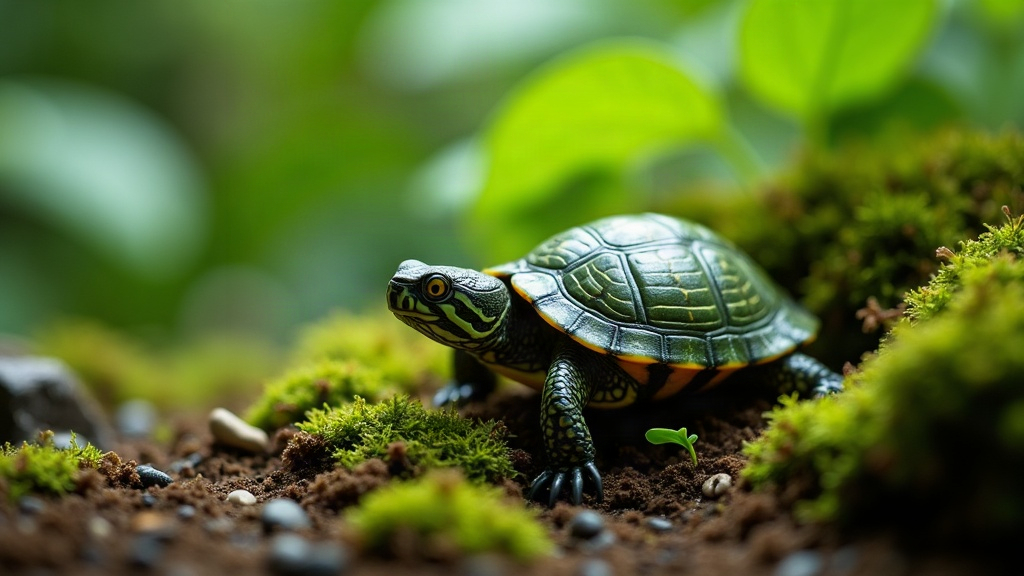
String of Turtles (Peperomia prostrata) melting inside a closed terrarium or cloche almost always traces back to three things: stagnant humidity, weak airflow, and soil that won’t let go of water fast enough. The fix isn’t abandoning closed setups altogether. It’s dialing in ventilation, switching to a faster-draining mix, and getting more disciplined about when you actually water.
Why String of Turtles Melts in the First Place
Peperomia prostrata has thin, semi-succulent leaves and a shallow root system built for wet-dry cycles, not round-the-clock saturation. Seal it inside a terrarium and humidity parks itself at 90-100% with almost no air exchange. That combination sets up two distinct but related problems:
- Fungal and bacterial rot: constant moisture sitting on leaves and stems rolls out the welcome mat for pathogens like Botrytis (gray mold) and soft rot bacteria.
- Lack of transpiration: plants need to lose water through their leaves to pull nutrients up from the roots. At 100% humidity, transpiration basically grinds to a halt, and a weakened plant is a lot more likely to collapse.
“Melting” is just the visible endpoint: leaves go translucent or turn to mush, stems blacken at the base, and a vine that looked fine on Monday can be a pile of goo by Friday.
Signs You’re Heading Toward a Melt
- Condensation that never clears off the glass, even hours after misting
- Leaves that feel soft or waterlogged instead of firm
- A sour or musty smell the second you crack the lid
- Black or brown lesions at stem nodes near the soil line
Catch any of these and you still have time. Wait too long and you’re just doing damage control.
The Core Fixes
1. Add Real Airflow, Not Just a Vent Hole
A single tiny vent rarely cuts it. A few options that actually work:
- Crack the lid 1-2 cm for a few hours each day, or leave it cracked permanently if your room isn’t too dry.
- Run a small USB fan on a timer, 10-15 minutes every few hours. It mimics natural air movement without drying out the enclosure.
- Switch to a mesh-topped container instead of sealed glass. Peperomia doesn’t need the near-100% humidity that true tropical mosses or carnivorous plants demand, so you have more room to work with here than you might think.
2. Rebuild the Soil Mix for Drainage
Standard terrarium substrate (peat-heavy, dense) just holds too much water for this plant. Try instead:
- 1 part coco coir or peat
- 1 part perlite
- 1 part orchid bark or horticultural charcoal
This blend drains quickly but still keeps enough moisture around for roots between waterings. Always add a drainage layer (LECA or gravel) topped with sphagnum or mesh so soil doesn’t wash down into it over time.
3. Water Less, Not More
Here’s the counterintuitive part: closed setups need less water than an open pot sitting on a windowsill.
- Water only once the top inch of soil is completely dry.
- Water at the base. Keep it off the leaves and stems entirely.
- In a well-sealed enclosure, that might mean watering once every 2-3 weeks, not every few days.
4. Keep Leaves and Vines Off the Glass and Soil Surface
A leaf pressed against condensation-streaked glass will rot almost on contact. Train the vines to trail over elevated moss mounds, cork bark, or small risers instead, so nothing sits directly in standing moisture.
5. Light and Temperature Matter Too
Low light paired with high humidity slows the plant’s metabolism down, and a sluggish plant rots faster. Give it bright, indirect light (a decent grow light placed 6-8 inches above works well in a closed setup) and keep temps somewhere in the 65-80°F (18-27°C) range. Skip placing the terrarium near a cold window or an AC vent. Both cause temperature swings that generate extra condensation, which just feeds the problem.
When to Pull It From the Closed Setup Entirely
If the melting keeps coming back no matter what you try, Peperomia prostrata will often do better in a semi-open terrarium, an uncovered glass jar, or a regular pot sitting over a humidity tray at 50-60% humidity. Nothing wrong with admitting defeat on the closed-terrarium front here. This plant is genuinely one of the most popular choices for open terrariums and hanging planters precisely because it doesn’t need to be sealed in.
Salvaging a Melting Plant
Caught it early? Here’s the triage:
- Cut away every affected leaf and stem with clean scissors, trimming back until you hit healthy tissue.
- Let the cuttings sit and dry for a few hours before propagating them in a separate, better-ventilated container.
- Dust the remaining plant’s cut surfaces with cinnamon powder (a natural antifungal) before replanting.
Conclusion
String of Turtles can absolutely thrive behind glass, but it wants airflow, fast-draining soil, and watering on a tight leash, basically the opposite of the “soggy jungle” setup so many closed terrariums default to. Fix the ventilation first, then the soil, then your watering habits, and most melting problems clear up within a few weeks.