Macodes Petola Jewel Orchid Care in Closed Glass Terrariums
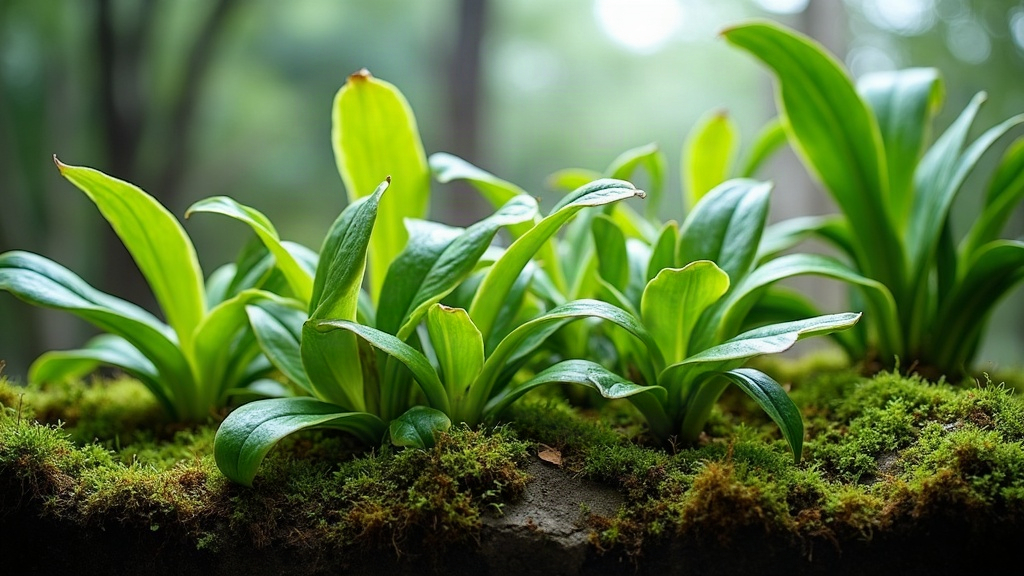
Keeping Macodes petola alive and colorful inside a closed glass terrarium really comes down to four things: stable high humidity (70-90%), warm temperatures (68-80°F), filtered indirect light, and a chunky, fast-draining substrate that never sits soggy. Nail those four and this jewel orchid, prized for its velvety green leaves etched with shimmering gold veins, will reward you with steady new growth instead of the mushy stem rot that kills most attempts within a few months.
Why Macodes Petola Struggles Outside a Terrarium
Jewel orchids like Macodes petola evolved as forest-floor plants in Southeast Asia, growing under thick canopy cover where humidity rarely dips and light stays soft and diffuse. Compare that to a typical living room: dry indoor air, direct sun blasting through a window, a drafty hallway. Basically the opposite of what this plant wants. That’s why closed terrariums work so well. They replicate that stable, humid microclimate without you having to mist the thing five times a day.
The tradeoff? A closed glass environment traps stagnant air and moisture, and that’s exactly where fungal rot and mold move in if the setup isn’t built right from the start.
Building the Right Substrate
This is where most terrarium failures actually begin. Macodes petola has thin, shallow roots that rot fast in anything that holds too much water, so don’t treat it like a regular potted plant.
- Base layer: 1-2 inches of drainage material (LECA, lava rock, or coarse gravel) so excess water has somewhere to go besides the root zone.
- Barrier layer: A thin mesh or sphagnum moss layer to keep soil from washing down into the drainage below.
- Growing medium: A chunky mix of fine orchid bark, sphagnum moss, charcoal, and a little perlite. Skip dense potting soil entirely, it suffocates the roots within weeks.
Plant Macodes petola shallow, almost resting on top of the mix rather than buried, since it grows more like a creeping vine than a rooted houseplant. Think of how it spreads along a forest floor, not how a fern digs in.
Humidity and Airflow Balance
Closed terrariums naturally hold humidity, but “closed” doesn’t mean “sealed forever.” That’s a common misunderstanding among first-time growers.
- Aim for 70-90% relative humidity, checked with a small hygrometer placed near the plant itself, not just stuck to the glass wall.
- Crack the lid or open a vent for 15-30 minutes a day if you notice constant condensation fogging the glass or water beading up on the leaves.
- Good airflow, even a small amount, prevents the fungal and bacterial issues that cause black spots on that velvety leaf surface.
If the glass stays completely fogged around the clock with no clear moments in between, that’s your cue: humidity’s too high and needs venting.
Lighting Requirements
Direct sun will scorch Macodes petola’s delicate leaves and wash out that signature gold veining fast, sometimes within a single afternoon. So instead:
- Use a full-spectrum LED grow light on a timer, running 10-12 hours a day, positioned far enough away that it doesn’t heat up the glass.
- Natural light from a north-facing window works too, but never let the terrarium sit in direct afternoon sun.
- Watch the leaf color as your guide. Pale or washed-out leaves usually mean too much light; leggy, stretched growth with dull veining means not enough.
Temperature and Feeding
Keep the terrarium between 68-80°F. Drop below 60°F for extended stretches and you’ll see slowed growth and, eventually, rot creeping in. Keep terrariums away from air conditioning vents and drafty windows, even a few hours of cold draft can set the plant back.
Feeding needs are light, almost minimal really:
- Use a diluted orchid fertilizer (quarter strength) once every 4-6 weeks during active growth.
- Mist or spray it directly onto the moss, not the leaves, to avoid mineral buildup on that glossy foliage.
- Skip feeding entirely during slower growth periods in winter months. The plant simply doesn’t need it then.
Common Problems and Fixes
Yellowing leaves: Usually overwatering or standing water pooling at the roots. Check that the drainage layer isn’t waterlogged before you assume it’s something else.
Black or mushy stems: Classic sign of stagnant air combined with excess moisture. Increase ventilation right away and trim affected sections with sterilized scissors, don’t wait a few days to “see if it gets better.”
Fading gold veins: Almost always a light issue, either too much direct light or not enough overall brightness. Adjust grow light distance and duration and give it two or three weeks to respond.
Mold on the substrate surface: Fairly common in fresh closed terrariums as they establish themselves. Increase airflow temporarily and remove visible mold with tweezers. It typically settles down once the microclimate stabilizes, usually within a month.
Frequently Asked Questions
Can Macodes petola grow in a sealed terrarium with no venting at all? Not recommended long-term. Even naturally well-balanced closed terrariums benefit from occasional venting to keep fungal buildup and stagnant air from settling around the leaves.
How often should I water a closed terrarium with jewel orchids? Rarely, if the setup is balanced correctly. Closed terrariums recycle moisture through condensation, so watering once every 2-3 weeks, or only when the top layer of moss feels dry to the touch, is usually enough.
Conclusion
Macodes petola isn’t a difficult plant once you understand what it actually needs: consistent humidity, chunky well-draining substrate, filtered light, and just enough airflow to stop stagnant air from settling in. Build that foundation into your closed glass terrarium, check on it weekly rather than fussing with it every day, and this jewel orchid will keep producing the shimmering gold-veined leaves that make it worth growing in the first place.