ABG Mix vs. Peat-Free Coir Blends for Bioactive Enclosures
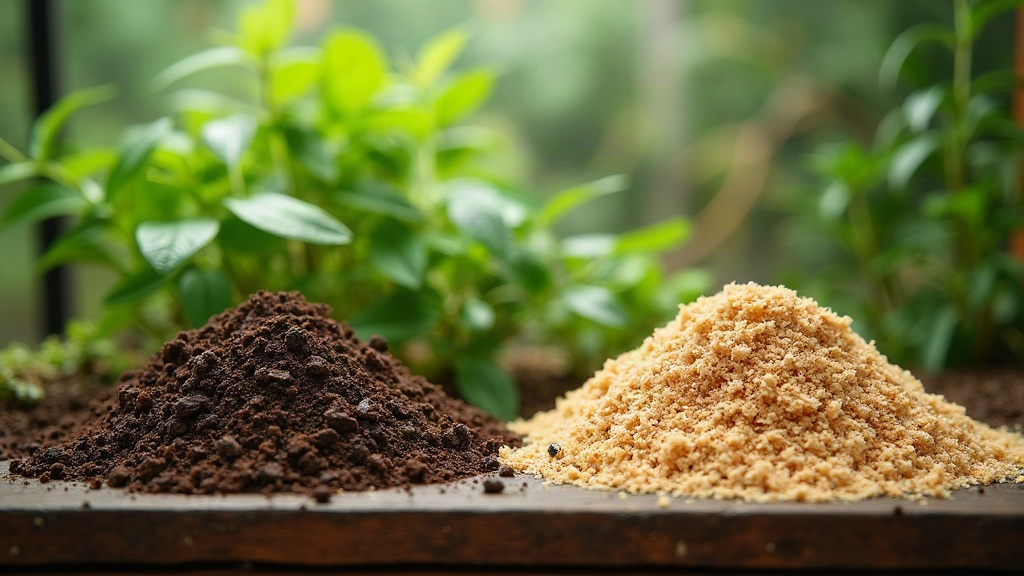
If you’re setting up a bioactive enclosure that’s supposed to run for years without a full substrate teardown, the ABG mix vs. peat-free coir decision matters more than most keepers assume going in. ABG mix (named after the Atlanta Botanical Garden, where the recipe originated) is a layered, fibrous substrate built around drainage and long-term root health. Peat-free coir blends are leaner, cheaper mixes built mostly around coconut fiber. Both can support a healthy cleanup crew for sure, but give them two or three years and you’ll see them behave in very different ways.
What Each Substrate Actually Contains
ABG Mix typically combines:
- Fine orchid bark or fir bark
- Sphagnum moss (long-fiber, not peat)
- Tree fern fiber or coco chips
- Horticultural charcoal
- Peat moss or peat substitute
- Sand or perlite for texture
This blend was originally developed for poison dart frog vivariums. Those tanks get misted constantly and run at near-saturation humidity, so the substrate has to drain fast and resist compacting under all that moisture.
Peat-Free Coir Blends are usually a simpler combination of:
- Coconut coir (the main bulk ingredient)
- Coco husk chips or chunks
- Sometimes leaf litter or sphagnum added by the keeper
- Occasionally charcoal or perlite for drainage
Coir gets marketed as the sustainable alternative to peat, and that’s a fair claim. Peat bogs regenerate at a glacial pace, while coir is just a byproduct of coconut processing that would otherwise go to waste.
Drainage and Moisture Retention
This is where the two really part ways.
- ABG mix is designed around a false-bottom drainage layer (LECA balls or hydroton, topped with mesh). Bark and charcoal create air pockets so excess water drains fast, while the sphagnum holds just enough moisture at the root zone.
- Coir, on the other hand, holds water almost like a sponge. Left on its own, it waterlogs and compacts, especially in a tank with mediocre airflow. Skip the chunky amendments (bark, perlite, coco husk chips) and coir at depth tends to go anaerobic. You’ll know it when you smell it; that sulfur stink is unmistakable.
Practical takeaway: need consistently moist but never soggy soil (dart frogs, a lot of gecko species, isopod-heavy bioactive builds)? ABG’s drainage architecture is the safer bet. Keeping something that tolerates damp substrate, and willing to amend coir with chunky material yourself? A coir blend can get you almost the same result for a lot less money.
Longevity: Which Breaks Down Faster?
ABG mix is built to last. Bark and tree fern fiber decompose slowly, and the overall structure holds its shape for 18-36 months as long as you’ve got isopods and springtails doing their cleanup job. Most experienced keepers say they only need to top up leaf litter now and then, not rip out and replace the whole layer.
Coir breaks down faster and turns into a fine, dense mush. Somewhere around the 12-18 month mark, a lot of keepers notice the layer compacting, losing its aeration, and becoming a lot less friendly to anything that likes to burrow. Not a dealbreaker by any means, just budget for more frequent maintenance or partial refreshes.
Plant Growth Performance
Live plants, pothos, creeping fig, bromeliads, moss, generally root faster and more thoroughly into ABG mix. The varied texture plus the slow-release organic matter from bark and fern fiber gives roots something to grab onto and feed from. Coir blends will grow plants too, but coir itself is basically nutrient-free, so expect to fertilize more, especially in a closed system where you’re not swapping out soil.
Cost and Environmental Considerations
- Cost: Coir blends run cheaper per liter, especially if you buy the compressed bricks and rehydrate them at home (a 650g brick can turn into something like 8-9 liters of loose substrate, which is hard to beat price-wise).
- Sustainability: Coir wins here too, it’s a renewable agricultural byproduct, full stop. ABG mix with peat moss has a heavier environmental footprint, although plenty of brands now sell peat-free ABG versions swapping in coir or composted bark.
- Availability: ABG components often mean sourcing several ingredients separately, unless you grab a pre-made bag. Coir bricks, meanwhile, sit on the shelf at almost every pet store and online retailer for cheap.
Which Should You Choose?
- Go with ABG mix for display vivariums, dart frogs, day geckos, or any high-humidity bioactive build where drainage and plant longevity are the priority.
- Go with a peat-free coir blend for budget builds, first bioactive tanks, or species that don’t mind denser substrate, as long as you’re adding drainage amendments like clay balls, bark chips, or perlite.
Final Thoughts
Neither one is the universal “right” answer. It really comes down to your species, your humidity targets, and how much upkeep you’re actually willing to do down the line. ABG wins on drainage engineering and longevity. Coir wins on cost and renewability. A lot of experienced keepers just split the difference, using a coir base amended with bark and charcoal to get something close to ABG performance without the ABG price tag. Whatever you pick, get the drainage layer right and keep your cleanup crew active. That combo does more for your enclosure’s long-term health than whatever brand name is printed on the bag.