Seramis Clay Granules vs LECA for Terrarium False Bottoms
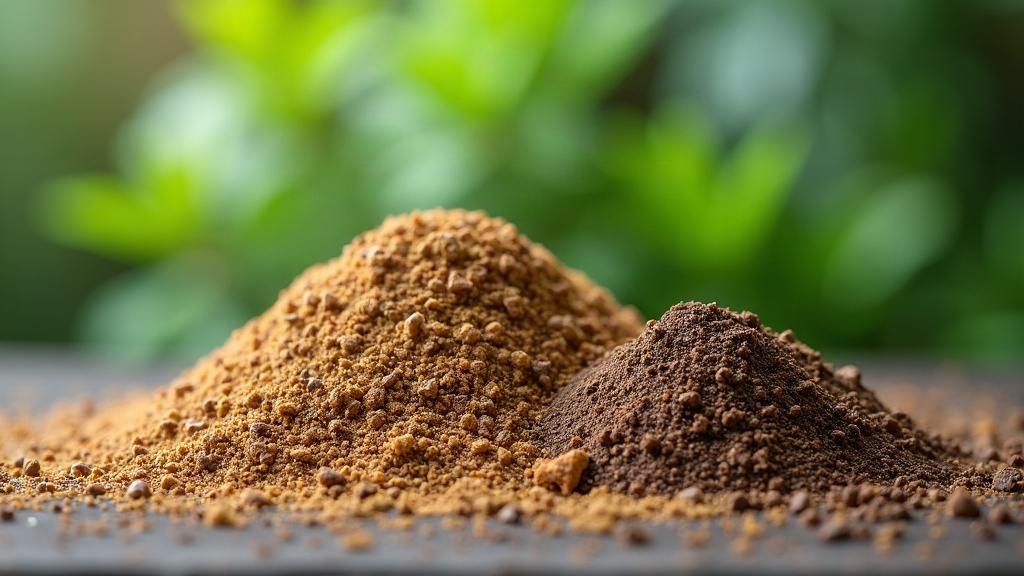
If you’re putting together a bioactive terrarium or vivarium, the false bottom (that drainage layer sitting under your substrate) is one layer people argue about more than almost anything else in the build. The two names that come up constantly are Seramis clay granules and LECA (Lightweight Expanded Clay Aggregate). Both do the job, but once water, roots, and your clean-up crew get involved, they behave quite differently. Here’s a real breakdown so you can pick the right one without guessing.
Quick Answer
- Go with LECA if you want a classic, highly porous drainage layer with great airflow and years of proven use in reptile and amphibian tanks.
- Go with Seramis if you want smaller, more uniform granules with stronger capillary action (water wicking upward) for plants that hate drying out, and you’re fine paying a bit more for it.
What Is LECA?
LECA gets made by firing clay pellets in a rotary kiln at high heat. That heat expands the clay and leaves a honeycomb of tiny air pockets trapped inside a hard, fired shell. You’ll see it sold under names like Hydroton, Canna LECA Clay Pebbles, or just plain “expanded clay pebbles.”
Pros:
- Cheap, especially in bulk (8-10L bags are standard at most hydro shops)
- Durable as rock, doesn’t break down for years
- Those internal air pockets mean solid drainage and good oxygen exchange at the roots
- Rinses clean and can be reused across multiple builds
- Easy to find, pretty much any hydroponic store or Amazon has it
Cons:
- The pellets are bigger and rounder (8-16mm, roughly), which means fine substrate particles can work their way down and clog the layer over time if you skip a barrier like weed fabric or filter mesh
- Wicks water upward less than Seramis, so the top layer of substrate can dry out faster than you’d expect
- Floats if you don’t soak it first, which means it shifts around annoyingly while you’re filling in substrate
What Is Seramis?
Seramis is a German product, fired clay granules originally made for houseplant hydroculture setups. The granules run more uniform in size (usually 8-12mm) and have a slightly rougher surface, which gives them stronger capillary pull. In plain terms: it wicks moisture upward noticeably better than standard LECA.
Pros:
- Granule size stays consistent, so your drainage layer ends up more even across the tank
- Strong wicking helps maintain a humidity gradient, great if you’re growing pothos, ferns, or mosses that sulk the second things dry out
- Denser than LECA, so it doesn’t float around as much during setup
- Has a solid reputation among houseplant and vivarium keepers specifically for moisture control
Cons:
- Costs more per liter than generic LECA, and that gap widens outside Europe once shipping gets added
- Can be tough to source in bulk depending on where you live (much easier to find in the EU than, say, the US)
- For most reptile and amphibian setups, the actual performance gap versus good LECA is pretty small
Side-by-Side Comparison
| Factor | LECA | Seramis |
|---|---|---|
| Cost per liter | Low | Moderate-High |
| Availability | Very wide (hydro stores, Amazon) | Limited outside EU |
| Granule size | 8-16mm, variable | 8-12mm, uniform |
| Capillary wicking | Moderate | Strong |
| Durability | Excellent | Excellent |
| Best for | General bioactive reptile/amphibian tanks | Humidity-sensitive plant-heavy vivariums |
Does It Matter for Isopods and Springtails?
Honestly, not really. Both materials sit below the substrate barrier and water reservoir, so your clean-up crew almost never touches the false bottom directly, unless you’ve built an exposed paludarium-style setup. For a typical bioactive terrarium with isopods and springtails, either material gives you enough air circulation to keep the reservoir from turning anaerobic. Just keep the water level below the substrate barrier and you’re fine.
Practical Buying Tips
- Rinse and soak both materials first. LECA especially tends to come dusty, and pellets will float if you don’t pre-soak them.
- For tanks under 20 gallons, 2-3 inches of drainage is usually plenty. Bigger bioactive enclosures might need 3-4 inches.
- Add a mesh or weed-barrier layer on top no matter which material you pick. Skip this and you’ll eventually get substrate washing down and clogging the layer.
- Tight on budget? Generic LECA from a hydroponics supplier works just as well as name-brand Hydroton for terrarium purposes. No real reason to pay extra for the label.
Conclusion
Both Seramis and LECA make solid terrarium false bottoms. Which one’s “best” really depends on your budget, what’s available near you, and how fussy your plants are about humidity. LECA stays the default pick for most reptile and amphibian keepers because it’s cheap and everywhere. Seramis earns its keep in plant-heavy, moisture-sensitive vivariums where that extra capillary wicking actually matters. Whichever you choose, pair it with a proper substrate barrier and you’ve got a foundation that’ll hold up for years.