Cat-Safe Open Terrarium: Non-Toxic Succulents & Air Plants
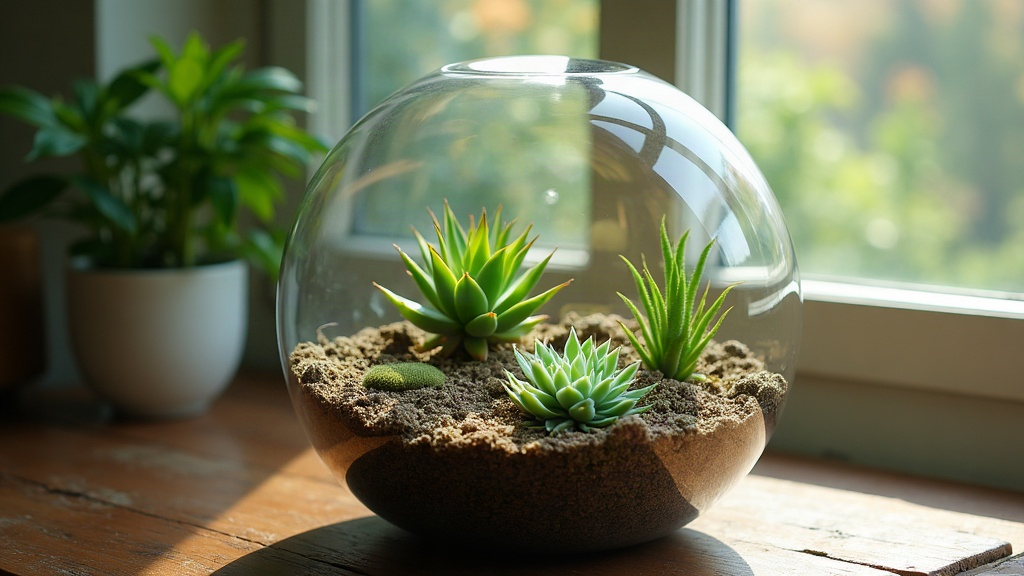
If you love plants but share your home with a curious cat, an open terrarium filled with non-toxic succulents and air plants lets you enjoy some greenery without the constant low-grade anxiety of poisoning scares or surprise vet bills. Below: which plants are actually safe, how to pick the right container, and how to set things up so the terrarium stays pretty and your cat stays out of it.
Why Choose an Open Terrarium for Cat Owners
Closed terrariums look dramatic under glass, sure, but open designs are the smarter pick when there’s a pet in the house. Airflow matters more than people think, it cuts down on mold, and mold is bad news if a cat decides to taste a leaf. Open setups also make it a lot easier to spot a fallen leaf before your cat does, and to swap plants out fast if something’s clearly not working. One more practical point: open terrariums usually come in shallow, wide containers, which are far less likely to tip over than a tall vase when a paw lands on the rim.
Non-Toxic Succulents Safe for Cats
Here’s the catch most people miss: not every succulent is pet-friendly. Jade plants, Aloe vera, and Kalanchoe are all over Pinterest boards, and all three are toxic to cats. Skip them. Go with these instead:
- Haworthia (Zebra Plant) – Compact, striped rosettes that shrug off low light and the occasional forgotten watering.
- Echeveria – The classic rosette shape everyone pictures when they think “succulent.” Non-toxic per the ASPCA, and barely needs fussing over.
- Hens and Chicks (Sempervivum) – Tough, handles cold surprisingly well, and spreads on its own through little offset “chicks.”
- Burro’s Tail (Sedum morganianum) – Trailing, plump-leaved, confirmed non-toxic. One warning though: the leaves drop at the slightest bump, so anchor it well or you’ll be sweeping up fallen bits constantly.
- Ponytail Palm (Beaucarnea recurvata) – Not actually a palm despite the name, but a safe, sculptural plant that gives your terrarium some height and drama.
Before you bring any new plant home, cross-check it against the ASPCA’s toxic and non-toxic plant list. Common names get sloppy from region to region, and a nursery tag isn’t always reliable.
Pet-Safe Air Plants (Tillandsia)
Here’s a bit of good news for once: almost every Tillandsia (air plant) out there is non-toxic to cats and dogs. They skip soil entirely, which also removes the temptation for a cat to dig in or treat your terrarium like an auxiliary litter box. A few worth trying:
- Tillandsia ionantha – Small, colorful, forgiving. A good first air plant.
- Tillandsia xerographica – A curled, dramatic rosette that can anchor the whole display on its own.
- Tillandsia bulbosa – Odd little bulbous base with wiry, wispy leaves sticking out.
Mist these 1-2 times a week instead of watering soil. That keeps the whole terrarium drier overall, and a dry terrarium is a much less interesting thing for a cat to paw at.
Building the Terrarium Safely
- Pick an open, wide-mouthed glass container. A low bowl or dish sits a lot more stable than a tall vase that’s basically begging to get knocked off a shelf.
- Use a cactus/succulent soil mix, with a drainage layer of small pebbles or activated charcoal underneath.
- Skip anything a cat might chew on for fun, dyed moss, glitter, small glued-on figurines. That glue can be toxic if swallowed.
- Leave air plants unanchored, or just lightly wired in place, so you can lift them out easily for their weekly misting.
- Don’t bother with fertilizer spikes or pest sprays unless the label explicitly says pet-safe. Even “natural” neem oil can wreck a cat’s stomach.
Placement Tips to Deter Curious Cats
Even with a terrarium that’s 100% non-toxic, cats will still chew leaves, dig around in soil, or shove the whole thing off a table out of pure curiosity (or spite). None of that does your plants, or your floor, any favors. A few things that actually help:
- Put the terrarium on a high, stable shelf instead of a low coffee table within easy paw’s reach.
- Try double-sided tape around the base, or a shallow decorative tray, to make the landing spot less inviting to walk on.
- Set out cat grass or catnip somewhere nearby as a substitute chew toy, giving the cat something else to focus on.
- Keep trailing succulents like Burro’s Tail away from the edge so dangling stems aren’t an obvious target for batting.
Common Questions
Can cats get sick from eating succulents listed as “non-toxic”? In large enough amounts, almost any plant material can cause some stomach upset, even the non-toxic ones. “Non-toxic” means no systemic poisoning, not an open invitation to eat as much as they want.
Do I need special soil for a cat-safe terrarium? Not really. A standard well-draining succulent mix works fine. Just steer clear of soils loaded with pesticides or synthetic fertilizers flagged as unsafe for pets.
How often should I check for toxic plant mix-ups? Every single time you buy something new. Look up the actual species name, not just whatever the nursery tag calls it, and compare it against the ASPCA list before it goes anywhere near your terrarium.
Conclusion
A cat-safe open terrarium isn’t some unreachable ideal, it just comes down to picking the right plants: non-toxic succulents like Haworthia, Echeveria, and Sempervivum, paired with soil-free, pet-safe Tillandsia air plants. Get the container right, think through where you place it, and you’ll end up with a thriving little garden your cat can admire from a respectful, slightly sulky distance.