Dragon Stone vs. Seiryu Stone: Which Alters Soil pH Less?
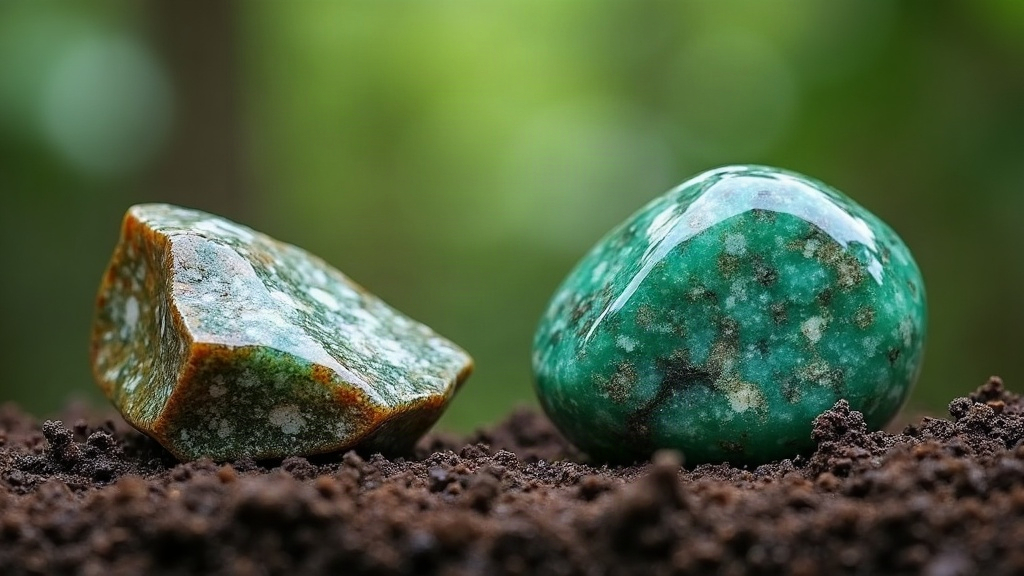
If you’re picking out hardscape for a planted tank, paludarium, or bioactive terrarium, water and substrate chemistry matter just as much as looks do. The short version: Dragon Stone (Ohko stone) nudges pH and hardness up over time, while Seiryu Stone pushes both up much harder - both are calcareous, but Seiryu hits way above its weight class. If you want minimal pH disturbance, Dragon Stone is the safer bet, though let’s be honest, neither one is truly inert.
Why Hardscape Affects pH at All
A lot of decorative aquarium and terrarium rocks contain calcium carbonate or other soluble minerals. Once submerged or kept damp, those minerals start leaching out slowly, nudging water toward alkaline territory and bumping up general hardness (GH) and carbonate hardness (KH). That matters a lot if you’re keeping:
- Soft-water fish (tetras, discus, wild bettas)
- Shrimp species that are sensitive to mineral swings
- Acid-loving plants and mosses
- Low-tech tanks that depend on stable, soft water for CO2/pH balance
Dragon Stone (Ohko Stone): Moderate Impact
Dragon Stone is a porous, lightweight rock of volcanic origin, prized for its cave-like, pitted texture. That’s exactly why it’s so popular in shrimp tanks and Iwagumi-style layouts.
Chemical behavior:
- It does carry some calcium content, but it’s far less reactive than limestone-based rocks
- It raises KH and pH gradually, and readings often settle down within a few weeks
- Its porosity doubles as a home for beneficial bacteria, which can offset some of the chemical swings biologically
Typical pH shift: Mild to moderate. Plenty of aquarists report pH creeping up by 0.2 to 0.5 over the first month, then flattening out once the surface minerals run low.
Best for: Tanks where a bit of extra hardness isn’t a dealbreaker, like Caridina or Neocaridina shrimp setups that actually want mineral-rich water, or Iwagumi layouts stocked with hardy plants.
Seiryu Stone: Strong, Persistent Impact
Seiryu Stone is a blue-gray, sharp-edged limestone that’s the go-to choice for dramatic Iwagumi aquascapes. That striking color and those crisp lines come from mineral density, and that same density is exactly what makes it so chemically active.
Chemical behavior:
- High calcium carbonate content, roughly on par with coral or crushed oyster shell
- Keeps leaching minerals for months, sometimes longer, with none of the tapering-off you see in Dragon Stone
- Can shove pH up by 0.5 to 1.0 or more in soft starting water, with KH climbing right alongside it
Typical pH shift: Significant, and it sticks around. This is exactly why so many breeders steer clear of Seiryu in soft-water shrimp tanks. It’s known to stress out or outright kill low-pH species like Caridina cantonensis (CRS).
Best for: Hard-water setups, African cichlid tanks, or any aquascape where you actually want elevated pH and KH.
Side-by-Side Comparison
| Factor | Dragon Stone | Seiryu Stone |
|---|---|---|
| Mineral reactivity | Low–moderate | High |
| pH increase (soft water) | +0.2 to 0.5 | +0.5 to 1.0+ |
| Duration of leaching | Weeks, then tapers | Months, sustained |
| Shrimp-safe (soft water) | Generally safer | Risky for CRS/Bee shrimp |
| Visual style | Earthy, cavernous | Sharp, blue-gray, dramatic |
| Weight | Lighter, porous | Denser, heavier |
How to Reduce pH Impact From Either Stone
- Pre-soak and test: Drop the rocks in a bucket for 1 to 2 weeks, testing pH and KH daily, and don’t add anything to the tank until the readings level off.
- Vinegar test for reactivity: Put a drop of vinegar on the stone. Fizzing means calcium carbonate is present. Seiryu will usually fizz hard and visibly; Dragon Stone tends to barely react at all.
- Use RO or soft water with controlled buffering: If you need a specific pH, remineralize by hand rather than counting on the rock to do the job for you.
- Monitor monthly: Even rock that seems “stabilized” can start leaching again if it gets scratched or chipped, exposing fresh mineral underneath.
- Combine with inert hardscape: Mixing in something inert, like Spider Wood or Manzanita branches, dilutes the overall mineral load in the tank.
Which Should You Choose?
- Go with Dragon Stone if you want texture and depth paired with a gentler, more forgiving pH curve. It’s a solid pick for mixed planted tanks and moderately hard-water shrimp.
- Go with Seiryu Stone if your stock list tolerates (or actually benefits from) harder, more alkaline water, or if you’re chasing a high-contrast Iwagumi look and don’t mind sticking to species that handle those conditions.
Conclusion
Neither Dragon Stone nor Seiryu Stone is pH-neutral, full stop. Dragon Stone is the gentler pick for soft-water and shrimp-focused setups, while Seiryu delivers a stronger, longer-lasting alkaline push that suits hard-water aquascapes much better. Test before you commit any rock to a finished tank. A two-week soak-and-measure routine costs you almost nothing, and it can spare you a nasty mid-cycle pH surprise down the road.