Build a Thriving Moss Ecosystem in a Vintage Pocket Watch
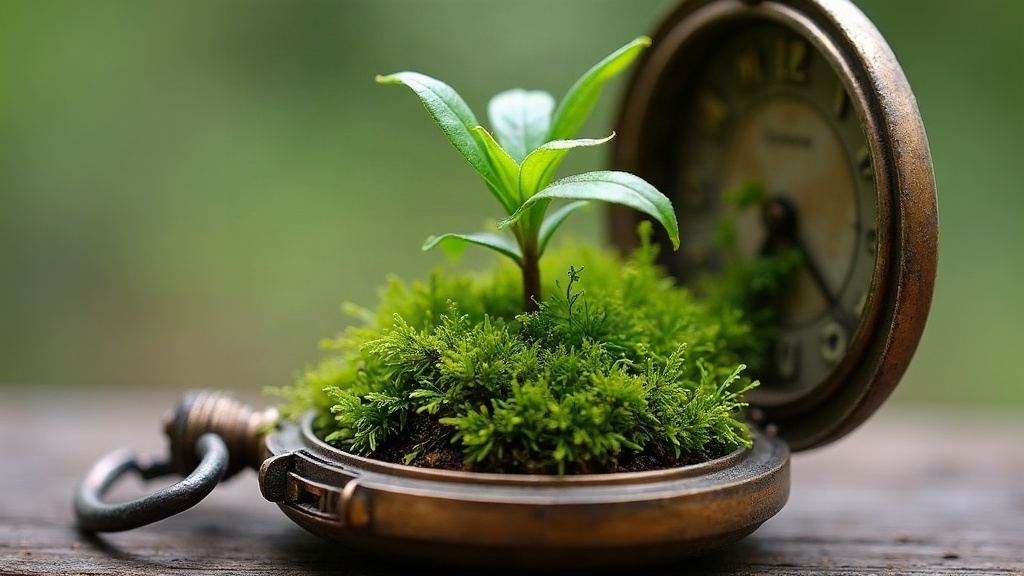
A Tiny Living Forest You Can Hold in Your Palm
There’s something almost absurd about the idea: a whole ecosystem, breathing and growing, tucked inside a piece of jewelry that used to tell time. Building a moss garden inside a vintage pocket watch case sits at the crossroads of antique horology and miniature gardening, and honestly, it’s one of those projects that looks far more complicated than it actually is. You take an old, gutted timepiece, one that no longer ticks, and turn it into a self-sustaining micro-terrarium. Once it’s set up properly, it barely needs you at all.
Whether you’ve been keeping terrariums for years or you just want a weekend project that isn’t another sourdough starter, this guide walks through exactly how to build and maintain one of these tiny worlds.
Choosing the Right Vintage Pocket Watch Case
Everything starts with finding the right shell. Forget working watches, you don’t need the movement, you need the case. Look for a “hunter” or “open-face” style with the glass or acrylic crystal still intact and unscratched.
- Thrift Stores and Antique Shops: Ask specifically for “parts” watches. Jewelers often strip these down to sell the mechanical guts separately, which leaves the empty case as scrap, cheap and perfect for this.
- Material Considerations: Stainless steel, brass, and gold-plated cases hold up best over time. Skip anything with visible rust or heavy corrosion. Once moisture gets involved, rust flakes can leach into the soil and quietly kill your moss.
- Snap or Screw-On Backs: A back that seals tightly matters more than people expect. Humidity is the whole engine of this ecosystem, and a loose-fitting case leaks it out within days.
Essential Supplies for Your Micro Terrarium
Space here isn’t measured in inches, it’s measured in millimeters, so nothing goes in without a reason. Before you touch the watch case, get these together:
- Activated charcoal, crushed down to fine crumbs
- Aquarium gravel or coarse sand
- Terrarium-grade soil or sphagnum peat moss
- Fine precision tweezers and a wooden toothpick
- A small pipette or dropper, the kind used for essential oils works fine
- Spring water or distilled water (tap water’s chlorine and dissolved minerals will slowly poison the moss)
Selecting the Best Moss Varieties
Not every moss can handle a sealed, humid box the size of a walnut. You want slow growers that stay compact and actually enjoy the stuffy air.
- Cushion Moss (Leucobryum glaucum): Forms those velvety little domes you see in professional terrariums. It holds its shape well, which matters a lot when your entire garden is 3 cm wide.
- Thread Moss (Bryum argenteum): Spreads into a fine, carpet-like mat, almost like a shrunken meadow. Good if you want texture rather than height.
- Java Moss (Taxiphyllum barbieri): People know it from fish tanks, but it does surprisingly well clinging to damp terrarium walls too.
Step-by-Step Guide to Assembly
Step 1: Prepping the Case
Pull out any leftover gears, dial fragments, or the winding stem, anything mechanical has to go. Clean the inside of the case and the glass crystal with a cotton swab dipped in isopropyl alcohol; decades-old watches tend to have a film of oil and grime that’s easy to miss until you see it under a loupe. Let everything dry completely before moving on. A speck of dust now means a permanently smudged view later, so take the extra two minutes here.
Step 2: Creating the Drainage and Substrate Layers
In a normal terrarium you’d pour in a couple inches of gravel. Here you’re working with maybe 2-3 millimeters total, so precision matters more than volume.
- With tweezers, place a thin, sparse layer of coarse sand or micro-gravel across the bottom of the case. Think of it as a dusting, not a bed.
- Add a pinch, and I mean a literal pinch, of crushed activated charcoal over the sand. It works as a natural filter, keeping the sealed air from turning stale or moldy.
- Lay down a millimeter-thin layer of soil on top. Press it down gently with the flat side of your toothpick so the moss has something to grip.
Step 3: Planting the Moss
Trim the moss down to something roughly dime-sized, no bigger. Anything larger and it’ll outgrow the case within weeks. Use your tweezers to press it into the soil layer, firmly enough that it won’t shift when the case is closed. A tiny chip of sterilized bark or a single small pebble next to it adds scale and makes the whole scene feel less like a science experiment and more like a landscape.
Caring for Your Pocket Watch Moss Ecosystem
Here’s the part that makes this project genuinely satisfying: once sealed, the watch runs its own water cycle. Moisture rises off the soil, hits the cool glass, condenses, and drips back down onto the moss. It’s a rain cycle happening inside something you can fit in a coat pocket.
- Watering: One or two drops from a pipette, that’s it. The soil should feel just barely damp, never wet. If the glass fogs up so much you can’t see the moss at all, prop the case open for about an hour to let some moisture escape before sealing it again.
- Lighting: Moss wants bright, indirect light, not direct sun. A north-facing windowsill works well, or a soft LED desk lamp a foot or two away. Direct sunlight through glass turns the metal case into a tiny oven, and the moss will crisp up within a day.
- Pruning: Every couple of months, trim back any strands that are growing too wild with a pair of micro-scissors. It keeps the little forest looking intentional rather than overgrown.
Final Thoughts
Turning an old pocket watch into a terrarium is a strange, quiet way of freezing a moment in time, literally putting a living thing where a mechanism used to tick. It takes patience and a fairly steady hand under those tiny tweezers, but the payoff is a small, living piece of art you can carry around or set on a shelf. Get the moss right, get the drainage layer right, keep it out of direct sun, and this little world will keep going for years without asking much of you at all.