Why Fittonia Leaves Melt in High Humidity: Real Causes
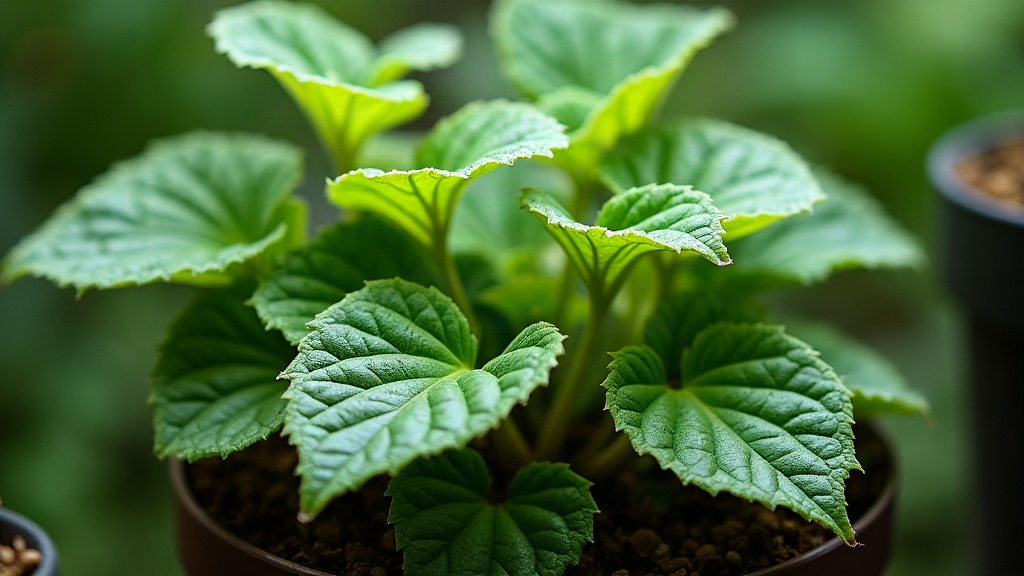
If your Fittonia (nerve plant) is turning to mush, going translucent, or collapsing into a slimy puddle despite all the humidity you’ve given it, don’t blame the humidity. The real issue is almost always what that humidity is hiding or feeding underneath the soil or on the leaf surface itself. Fittonia is notorious for dramatic wilting at the first sign of dryness, sure, but melting is something else entirely. It’s a more serious symptom, one that points to rot, fungal or bacterial infection, or stale air rather than plain thirst.
Melting vs. Wilting: Know the Difference
Before you troubleshoot anything, figure out what you’re actually dealing with:
- Wilting: leaves go limp and droopy but stay green and somewhat firm. Give it water and it perks back up within a few hours.
- Melting: leaves turn translucent, mushy, dark, or slimy to the touch, and they usually don’t bounce back no matter how much you water or mist. The stems near the soil line often go soft too.
Melting means the cells themselves have broken down, almost always from moisture sitting on the tissue too long. It’s not a humidity deficiency. It’s the opposite problem, really.
The Real Culprits Behind Melting Leaves
1. Stagnant, Trapped Moisture (Not Humidity Itself)
Fittonia loves humid air, but humidity without any airflow turns dangerous fast. Inside closed terrariums, humidity domes, or crammed grow cabinets, water vapor condenses right onto the leaves and just sits there for hours at a stretch. That constant surface wetness breaks down the tissue and rolls out the welcome mat for bacteria. Honestly, this is the single most common reason people see “melting” in high-humidity setups.
Fix: Crack the lid or dome open for an hour each day, run a small fan on low to keep air moving gently, and skip misting any leaves that already feel damp.
2. Root Rot from Overwatering
Here’s an ironic trap: high humidity makes a lot of growers water more often, thinking they’re “helping” the plant. But Fittonia roots are thin and fragile, and they rot fast in soggy soil. Once the roots go, the plant can’t move water or nutrients up through its system, so leaves melt from sheer lack of support, even while the surrounding air stays perfectly humid.
Signs: mushy brown stems near the base, a sour smell coming from the pot, soil that’s still wet after 4-5 days.
Fix: Pull the plant out, snip away every black or mushy root with sterilized scissors, and repot into a fresh, well-draining aroid mix (coco coir, perlite, orchid bark work well). Water only once the top inch of soil has dried out.
3. Bacterial or Fungal Leaf Rot
Pathogens like Pythium, Rhizoctonia, and assorted bacterial soft-rot organisms thrive in warm, wet, stagnant conditions, which is basically a description of a sealed humid enclosure. They sneak in through tiny wounds (a snapped stem, a bruised leaf edge) and spread quickly, turning leaves translucent and slimy in as little as 24-48 hours.
Fix: Isolate the plant right away, cut off all affected tissue well past the visible damage into healthy growth, and treat what’s left with a diluted hydrogen peroxide spray (1 part 3% peroxide to 3 parts water) or a copper-based fungicide. Drop the enclosure humidity down to 60-70% until things stabilize.
4. Cold Drafts Combined with Wet Leaves
Fittonia is a tropical plant through and through, and it hates temperature swings below 60°F (15°C). If humid air cools suddenly, say near a drafty window at night, an AC vent, or an unheated terrarium, condensation forms on the leaves right as the tissue chills. That one-two punch speeds up cell collapse considerably.
Fix: Keep the plant well away from windows, vents, and drafts, and hold the environment steady at 65-80°F (18-27°C).
5. Overcrowding and Poor Air Exchange
Tightly packed Fittonia clusters, or crowded terrarium setups, trap moisture between leaves with nowhere for it to go. Leaves pressed against the glass or against each other are usually the first to melt, simply because they never get the chance to dry.
Fix: Thin out the dense growth, trim back any leaves touching the terrarium walls, and give each plant some actual breathing room.
Step-by-Step Recovery Checklist
- Snip off every melted or mushy leaf right away with clean scissors. They won’t recover, and leaving them on just spreads the rot.
- Check the roots. Repot if you spot anything brown or mushy.
- Boost airflow: crack open vents, add a small fan, or shorten how long the humidity dome stays closed.
- Test the soil before watering. When in doubt, go slightly drier rather than wetter.
- Spray with a diluted fungicide or peroxide solution if you suspect bacterial or fungal infection.
- Keep temperatures steady and away from drafts or cold glass.
Prevention Going Forward
- Stick to well-draining substrate, never dense potting soil, especially in humid terrariums.
- Aim for 50-70% humidity, not near 100%. Fittonia wants moist air, not a swamp.
- Water the soil directly, not the leaves, and always let the excess drain off completely.
- Check the plant weekly for early soft spots before they spread.
Conclusion
High humidity isn’t actually your Fittonia’s enemy. Stagnant air, overwatering, and the rot that follows are the real troublemakers. When you see leaves melting instead of just wilting, stop staring at the humidity gauge and go check the roots, the airflow, and the leaf surfaces instead, that’s where the damage is really happening. Fix how the moisture moves through the whole setup, not just the number on the hygrometer, and your nerve plant will come back with fresh, vibrant growth soon enough.